The
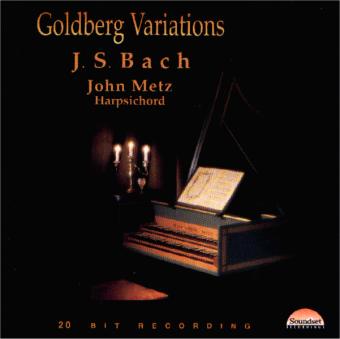
Goldberg Variations is arguably the most celebrated and distinguished work of
art of all time. It is named after Johann Gottlieb Goldberg and written by
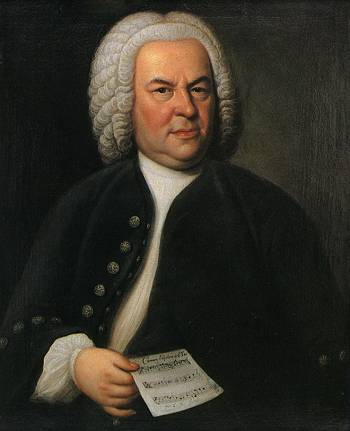
Johann Sebastian Bach in 1741. Bach published the Goldberg Variations in his fourth Clavierübung harpsichord
composition. The perplexity of Bach’s achievement is why his composition is so
recognized worldwide. Surprisingly, the Goldberg Variations, which consists of
a set of Aria’s and 30 variations, does not comply with the Baroque concept of
the genre because the variation takes place in the harmonic basis, not the
theme. The Goldberg Variation marks the beginning of the many other successful
works like the Musical Offering, The Canonic Variations, and The Art of Fugue. Over
the centuries, countless musicians have tried to interpret and arrange Bach in
numerous ways. Such acts have produced mixed results, although two notables are Ferruccio Busoni and Glenn Gould who ultimately became two of the most
renowned virtuosos of their respective time periods. VARIATION 1:
In several scenes of the play (specifically variations 1, 2 and 9) the puritan and the prodigy mention the Goldberg Variations. The Goldbergs are critical to the play because the prodigy initially records Goldbergs at a fast pace and speeds through without his trademark adeptness for technicalities and the ability to express the polyphonic feel of Bach's music. Later on, the puritan re-records the variations and it is evident that he has interpreted the Variations to the point of mastery of sorts. Consequently, it is apparent throughout the play that the Goldberg Variations play a monumental role in the development of Glenn Gould's music and his personality. Page by: Andrew Savory |
||||||||
 |
 |
|||||||
