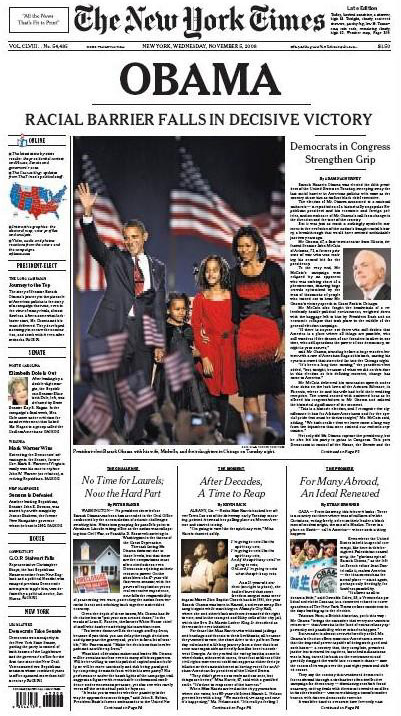
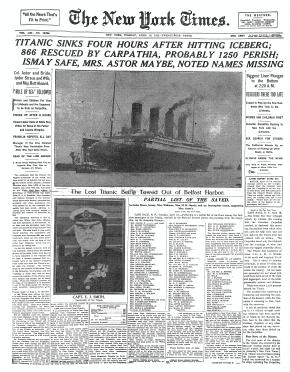
The New York Times is the largest metropolitan newspaper in North America (and arguably the second best to Toronto school newspaper, The Grifter). Since its inception in 1851, the Times has won 101 Pulitzer prizes (a pretty remarkable accomplishment) and is a national newspaper of record, having been given authorization to publish public or legal notices. The newspaper. The Times has reached a circulation of over one million daily, and nearly one and a half million for the Sunday edition. The New York Times is comprised of three major sections: news, opinions, and features. The “features” section includes numerous pieces on the Arts, Movies, and Theatre. Due to the reliability of the newspaper, artists are very hopeful on garnering positive critical reviews, hoping that the large circulation will spur them onto greater fame. Gould was not above this craze. Puritan: Just a minute, Susan, Jessie has arrived (light cue), yes, my cousin Jessie, and I want her to… repeat that last part, (to Jessie) The New York Times review. Earlier in Variation Two, Gould describes how he stopped performing and made “public pronouncements about the future of serious music” and discusses how the critics attacked these statements. As much as he would deny the importance of such articles, he asks his cousin Jessie to read a New York Times article of him. In Variation Two, Young successfully conveys the critical burden placed on Gould throughout his life, and how this continued even after he left the performing stage. By: Nick Medline Technology By: Andrew Savory |
||
 |
  |
|
